By Aditya Pal | BengalFlorican.org
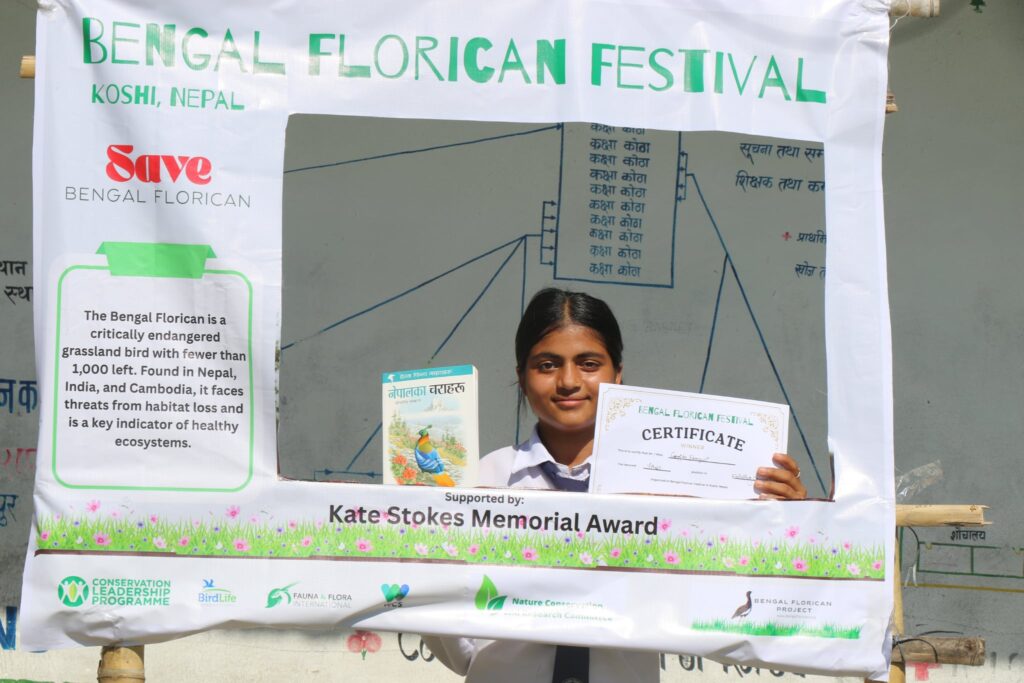
In the grasslands of Eastern Nepal, where the elusive Bengal Florican defies all odds to survive, a remarkable conservation saga is unfolding, not in the corridors of science or policy-making, but in classrooms, playgrounds, and villages across the region. In May 2025, the very first Bengal Florican Festival was launched in the Koshi region of Nepal. This was a groundbreaking effort in the conservation of one of the most threatened birds in the world. But the Bengal Florican Festival was not merely a festival; it was the start of a new conservation revolution.
The Crisis Facing the Bengal Florican
One of the rarest bustards in the world is the Bengal Florican. Its future is uncertain since it has fewer than 1,000 populations worldwide. In Nepal, it is believed to have fewer than 50 populations.
It is believed that the Bengal Florican once inhabited the grasslands of South Asia. However, today it is only found in fragmented habitats due to:
* Degradation of grasslands
* Excessive grassland exploitation
* Expansion of agriculture
* Hunting and human disturbance
It is alarming to note that the majority of the Bengal Floricans in Nepal are found outside protected areas.
Why a Festival?
One of the biggest hurdles in conservation is bridging the gap between conservation and the community, especially the youth. Bengal Florican Festival was created precisely for this purpose, making conservation an interactive, inclusive, and engaging activity for the community.
With the help of the Conservation Leadership Programme and its Kate Stokes Memorial Award, the festival was based on three important pillars:
Awareness
Engagement
Empowerment
Where It Happened
The festival was held at Shree Saptakaushika Secondary School in Belaka Municipality, Udayapur District, strategically located near Bengal Florican habitats.
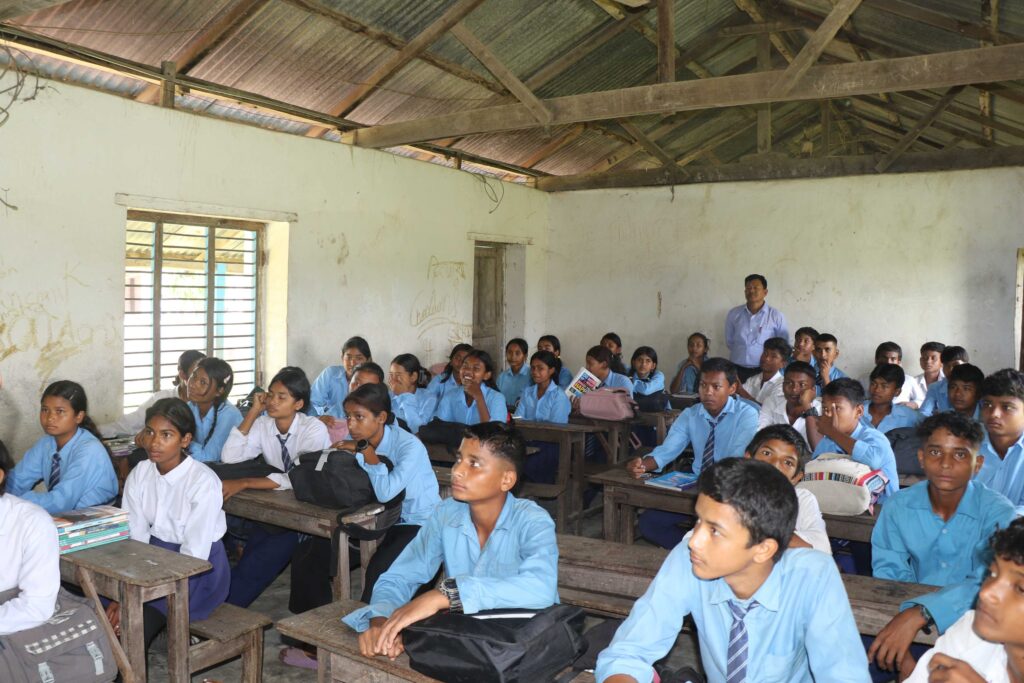
This venue selection was deliberate; conservation work must begin in areas where the species is present.
With over 180 students, teachers, and members from various communities in participation, the school was abuzz with activity and vibrancy.
Inside the Bengal Florican Festival
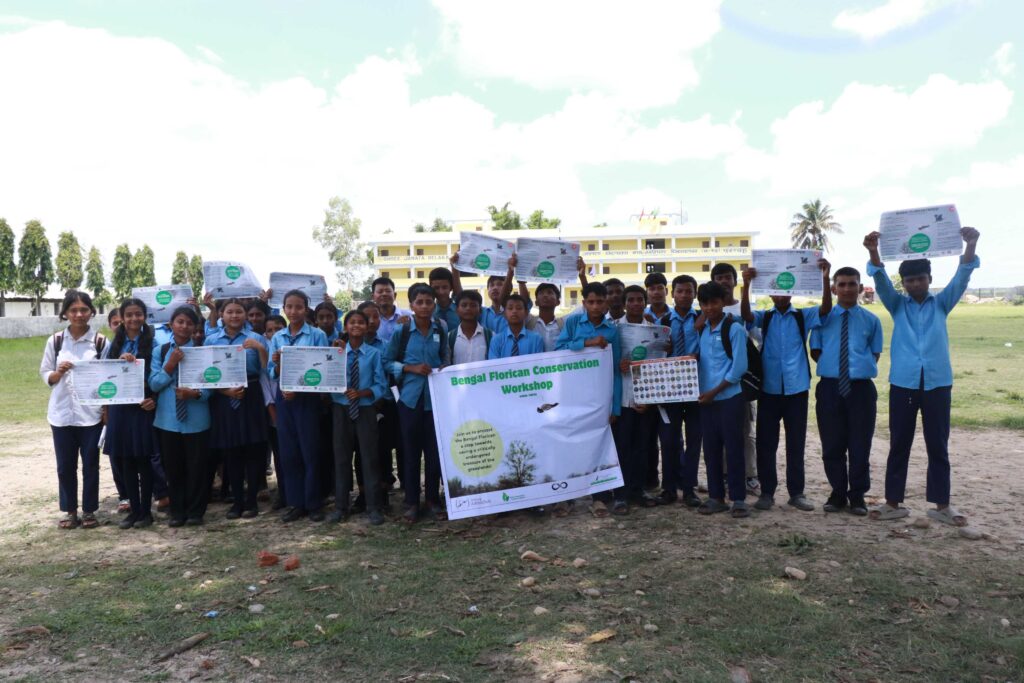
1. Conservation Workshop: Understanding the Species
The festival kicked off with an interactive workshop where the students were introduced to:
* The ecological status of the Bengal Florican
* The significance of grassland ecosystems
* The threats to the species
Other grassland birds were also included in the workshop. This provided the students with a broader ecological perspective. Educational tools like posters and bookmarks ensured the spread of the message beyond the workshop.
2. Bird Watching: Learning by Seeing
The early morning bird-watching session was a practical application of the theory learned so far.
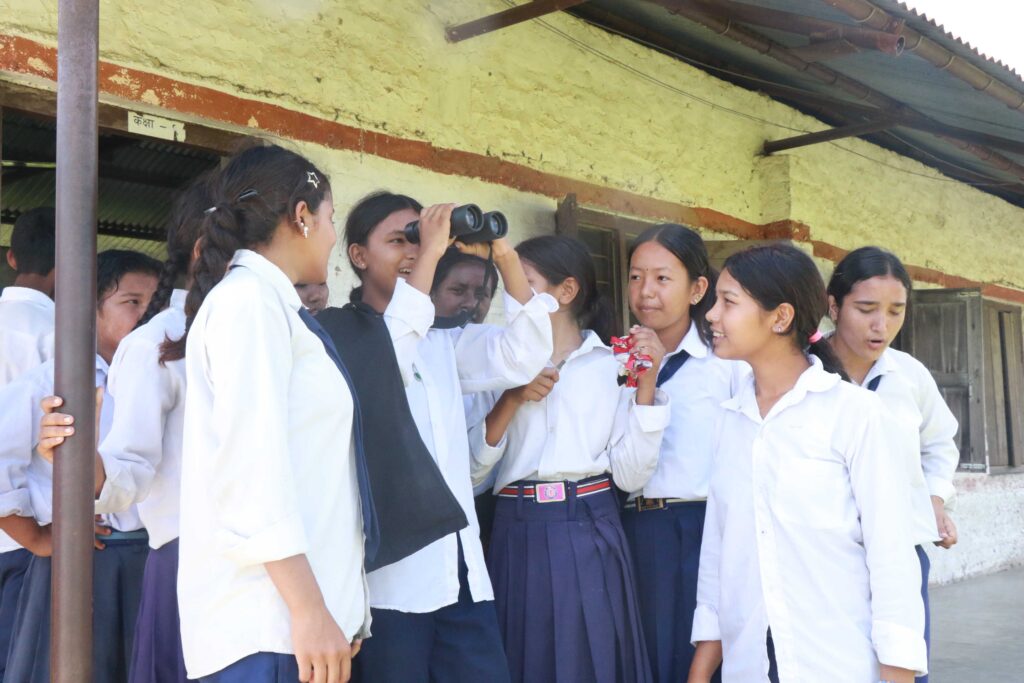
The students were trained in the following areas:
* Use of binoculars
* Identifying birds
* Recording observations
The students were then asked to go out in small groups and observe their surroundings. Over 40 bird species were recorded by the students. For most of them, it was their first experience in dealing with wildlife.
3. Photo Exhibition: Bringing Biodiversity to Life
A specially curated exhibition of 80 bird photographs was designed to display the diversity of birds in Nepal, from grassland birds to those of the wetlands and forests.
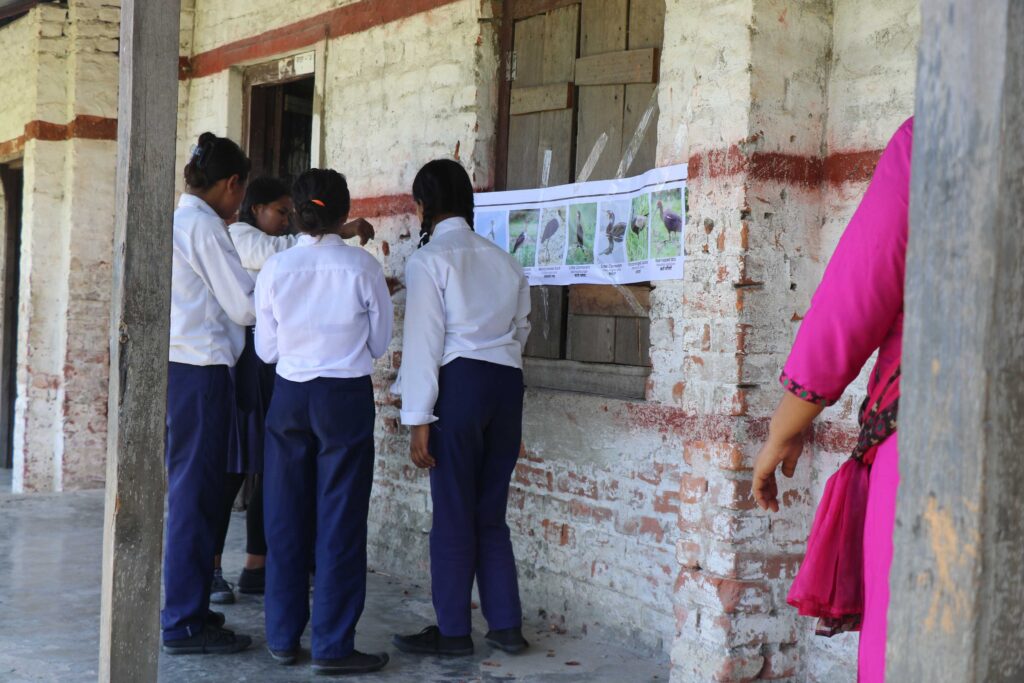
This visual experience would allow the students to:
* Identify different species of birds
* Understand the diversity of habitats
* Appreciate the beauty of birds.
A special section was designed to introduce the students to citizen science tools, including how to collect bird data, thus planting the seeds of future conservation involvement.
4. Drawing Competition: Art for Conservation
Over 60 students participated in a drawing competition on the theme of Bengal Florican and its habitat.
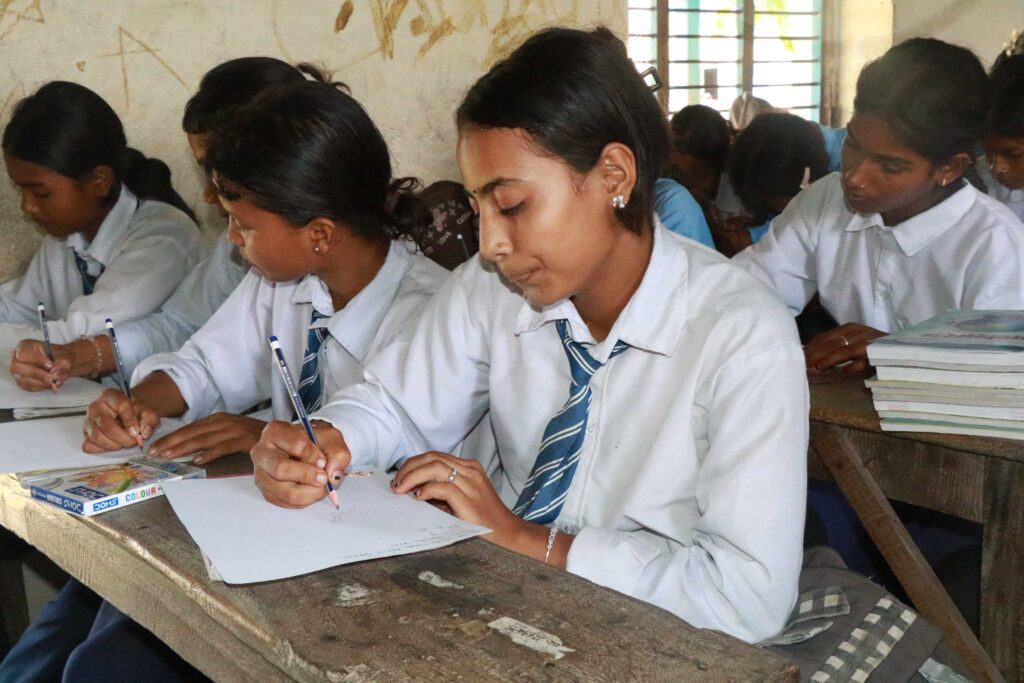
Students expressed their feelings on:
* The beauty of the species
* The threats it faces
* Their vision for conservation through art, which helps in developing emotional bonds a key factor for conservation.
5. Youth Volunteers: Leading the Change
Eight student volunteers played a central role in organizing the festival.
They showed their leadership, teamwork, and dedication in managing logistics and helping participants.
Their participation is a powerful reminder of a crucial lesson:
Young people are not just participants; they are leaders in conservation.
6. Conservation Games: Making Learning Fun
To maintain the energy levels, there were also games such as:
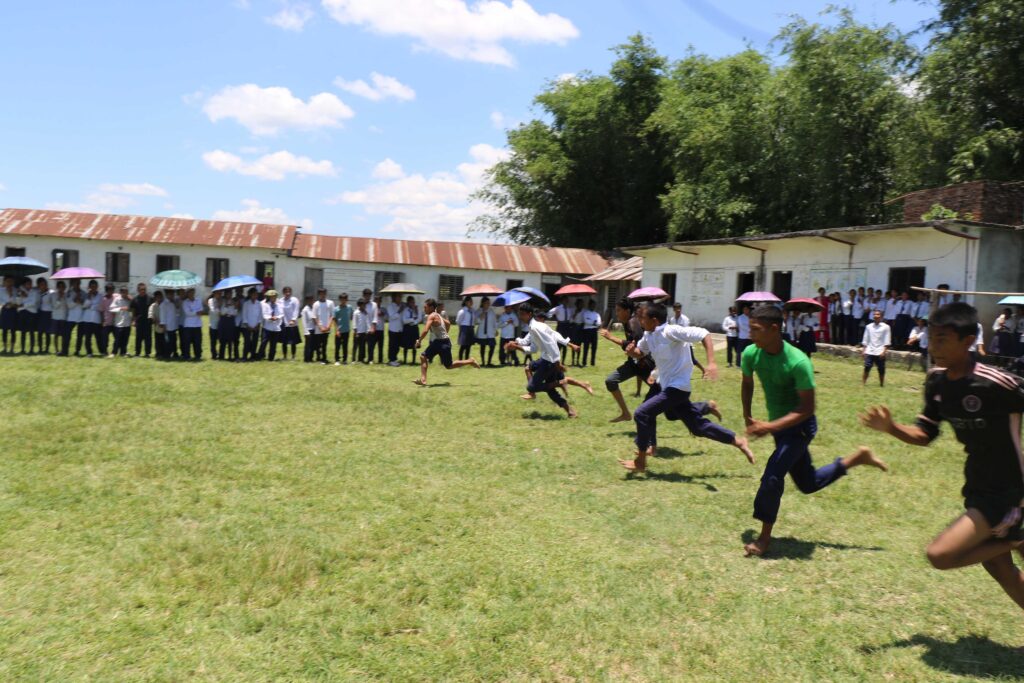
* Running competitions
* Collecting balloons
* Team games
These games were fun and incorporated conservation messages, thus making learning exciting.
7. Photo Booth: Spreading the Message
A conservation-themed photo booth became one of the festival’s most popular attractions.
Students took photos with awareness slogans and props, creating shareable moments that extended the festival’s reach beyond the event itself.
Community at the Heart of Conservation
One of the greatest strengths of this festival is its community-based approach:
* Teachers were encouraged to integrate conservation into classroom learning
* Eco-clubs were strengthened and supported
* School management was actively involved in this process
This guaranteed that conservation would continue beyond the festival.
From Awareness to Action
The impact of the Bengal Florican Festival goes far beyond a single day.
Key outcomes include:
- Increased awareness among youth
- Formation and strengthening of eco-clubs
- Development of local citizen scientists
- Improved biodiversity monitoring
Students are now not just learners, but active contributors to conservation.
A Model for the Future
The Bengal Florican Festival is conceived as a project that can be scaled up annually and implemented in other districts and grassland habitats in Nepal.
Future plans and goals:
* Expand the project to more schools and communities
* Include data in the country database
* Strengthen partnerships with local governments
* Ensure sustainable funding for eco-clubs
Why This Matters
The survival of the Bengal Florican does not only rely on the safe areas provided for it, but it also relies on the people it lives alongside.
Through empowering the community, especially the youth, this initiative provides a powerful model for conservation in a human-dominated landscape.
The Bengal Florican Festival is a reminder that conservation does not always begin on a grand scale. Sometimes it starts in a classroom, in a conversation, or in a moment of curiosity.
For the Bengal Florican in the grasslands of Koshi, that moment has already started.
And it is possible that it will be enough to give this bird a future.